

The Cost of Your Lose-Lose Proposition
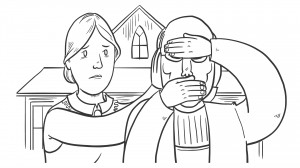 The county sheriff arrives on your doorstep. Your heart sinks. A home inspection client of yours is demanding you pay for the bad results that occurred months after your original inspection.
Your goal is too be dismissed from this massive claim – which includes you, the seller, the seller’s agent, the buyer’s agent, so on and so on – but that is increasingly difficult when there has already been a substantial calorie burn on the defense attorney’s part.
And it’s nearly impossible to be dismissed once your home inspection insurance company appoints legal counsel because its financial incentive is to settle the claim for your deductible (or offer it as part of the settlement) and walk away.
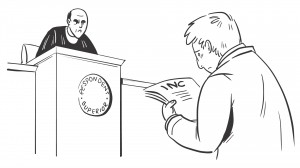 Many home inspectors are SHOCKED to hear that their corporate entities (sub-chapter S or limited liability corporations) do not insulate them from personal liability for doing a negligent home inspection.
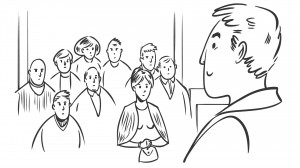 Should you allow a prospect’s attorney to line out the requirement in your inspection agreement about binding arbitration or the one that claims must be filed within one year of the home inspection?
 e detail – during my Law and Disorder Seminar.
 I’ve now been successfully defending home inspectors against meritless claims for a decade now, and with over 1,000 claims under my belt, I feel I’m qualified to describe the typical home inspection claim runaround competent home inspectors like yourself receive when dealing with an “issue” that really isn’t your “issue” at all.
 I’m starting to see a very disturbing trend developing between the home inspection industry and the real estate marketplace: non-client home sellers are bringing claims against home inspectors for the failure of their clients to follow through on the agreement of sale as a consequence of the home inspector’s findings.
 In the discovery phase of a lawsuit, laywers ask witnesses questions under oath that are recorded by a court reporter. Believe it or not, lying is commonplace!